





Humidity Havoc: Why AC Humidity Control Protects Florida Homes from Mold
In Florida, your air conditioner does more than just cool your home. It also helps protect it.
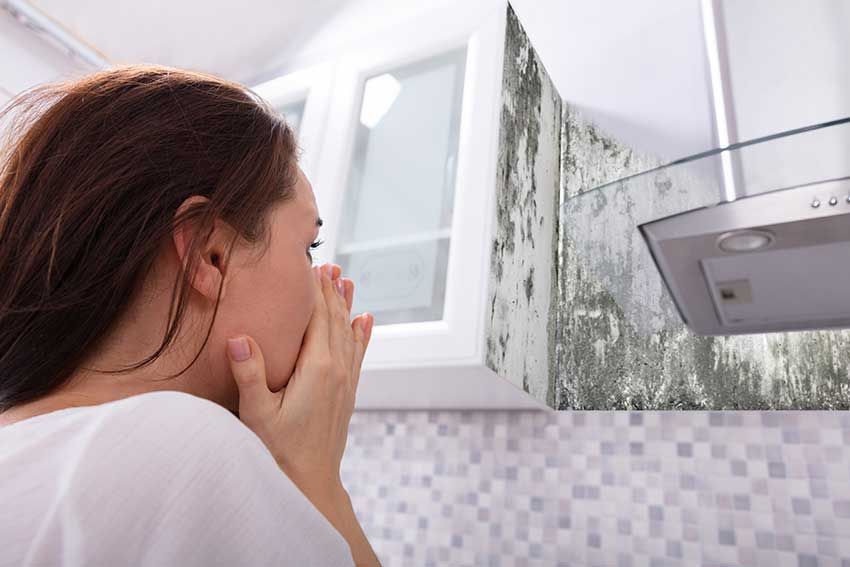
AC humidity control is crucial in Florida’s climate because high humidity can quickly make your home a breeding ground for mold.
Florida’s climate is consistently humid, with average relative humidity levels often exceeding 70% in many areas, according to data from the Florida Climate Center.
Every day, your AC system removes extra moisture from the air. If it doesn’t control humidity well, mold can start to form in just 24 to 48 hours.
At Americare, we do more than just manage temperature. We make humidity control a top priority to keep your home, air quality, and health safe.
Direct Answer: How AC Humidity Control Works
AC humidity control works by pulling warm, moist air over cold evaporator coils. As the air cools, moisture condenses into water and drains away.
When your system is properly sized and maintained, AC humidity control keeps indoor humidity at safe levels. If your system short-cycles, has low refrigerant levels, or has clogged drainage, it cannot effectively control humidity, allowing moisture to build up quickly.
AC humidity control works by pulling warm, moist air over cold evaporator coils. As the air cools, moisture condenses into water and drains away.
When your system is properly sized and maintained, AC humidity control keeps indoor humidity at safe levels. If your system short-cycles, has low refrigerant levels, or has clogged drainage, it cannot effectively control humidity, allowing moisture to build up quickly.
Florida’s climate puts constant stress on your HVAC system:
- High humidity levels year-round
- Warm temperatures that accelerate mold growth
- Moisture enters through walls, ducts, and air leaks.
Without proper humidity control:
- Mold can form within 48 hours.
- Indoor air quality declines rapidly.
- Materials like drywall and wood absorb moisture.
This isn’t just about comfort; it’s urgent protection for your home and your family’s health.
How Your AC System Handles Humidity
Many homeowners believe their AC only cools the air, but its main job is also to control humidity.
Here’s how it works:
- Warm, humid air enters the system.
- Air passes over cold evaporator coils.
- Moisture condenses into water.
- Water drains safely away.
When your system works as it should, it keeps humidity under control at all times. If it stops working properly, humidity can rise quickly.
The Hidden Danger: Short-Cycling AC Systems
A common cause of humidity problems is poor humidity control due to short cycling.
Short cycling happens when:
- The system is oversized.
- It shuts off too quickly.
- It doesn’t run long enough to remove moisture.
The result:
- Your home feels cold, but damp and clammy
- Humidity stays trapped inside, creating the perfect conditions for mold growth.
Drain Lines, Drain Pans & Float Switch Protection
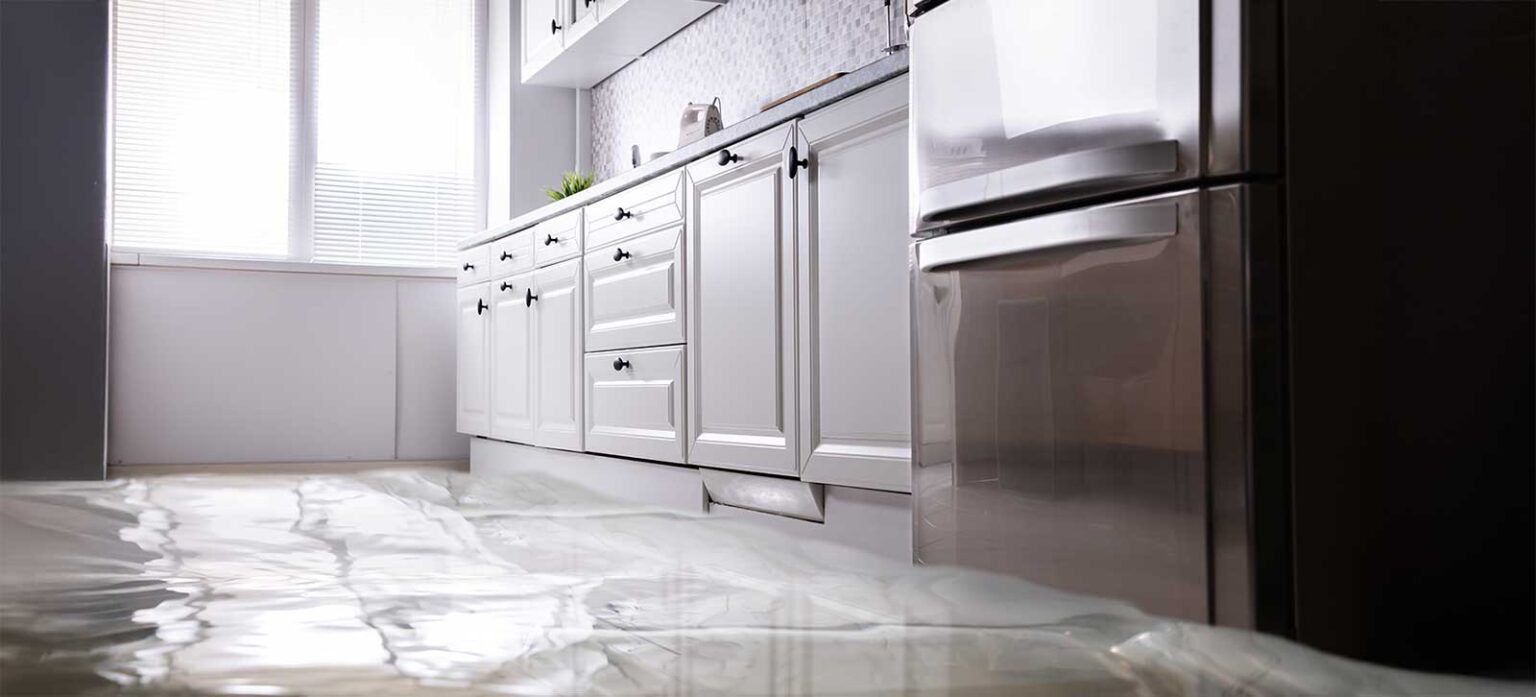
To help prevent issues before they cause damage, homeowners can check their own drain lines and drain pans for clogs or overflow.
Start by locating the condensate drain line, usually a white PVC pipe near the indoor air handler or outside the house. Make sure water is dripping steadily from the pipe while the AC is running. If the water flow slows or stops, or you notice water pooling around the unit, the line may be clogged.
Next, inspect the drain pan under the indoor unit; if it contains standing water or is nearly full, take immediate action to prevent leaks and water damage. Keeping these areas clear can help you catch problems early and protect your home. That water must drain immediately and properly.
Check the following:
- The condensate drain line is flowing.
- No standing water in the drain pan
- No clogs or overflow
The float switch protects your system by turning it off if water levels get too high. Without this feature, even a simple clog can rapidly escalate into a major and urgent repair.
The 48-Hour Mold Timeline
In Florida, mold spreads quickly when AC humidity control fails.
Within 24–48 hours:
- Mold spores begin forming.
- Growth spreads behind walls.
- Air quality drops rapidly.
The float switch protects your system by turning it off if water levels get too high. Without this feature, even a simple clog can rapidly escalate into a major and urgent repair.

How to Maintain a Proper Humidity Level
- Replace air filters regularly.
- Clean evaporator and condenser coils
- Keep drain lines clear.
- Monitor indoor humidity (ideal: 45–55%)
Regular maintenance helps your AC control humidity effectively and prevents costly problems before they start.
Protect Your Home with Professional AC Humidity Control
Americare has been serving South Florida since 2010, providing expert solutions designed for demanding climates.
We specialize in:
- Advanced indoor air quality solutions
- Preventive HVAC maintenance
- Fast, reliable service
We don’t just fix AC systems, we help protect your entire home.

Schedule Your AC Tune-Up Today
Don’t wait for humidity to cause problems. Take urgent action before humidity jeopardizes your home.
Contact the Americare team to schedule your AC tune-up now
FAQ About AC Humidity Control
Why is my home humid even with the AC running?
This is often caused by short cycling, improper system sizing, or poor maintenance.
How fast can mold grow in Florida?
Without proper humidity control, mold can begin forming within 24–48 hours.
What is short cycling?
Short cycling occurs when your AC turns off too quickly, preventing proper humidity removal.
Can clogged drain lines cause damage?
Yes, they can lead to water leaks, mold growth, and ceiling damage.
Who do you serve in South Florida?
Effective AC humidity control keeps levels between 45% and 55%. Above 60% increases mold risk.
Recent Posts